


Reach Your Athletic Potential with Precision Care
Elevate Performance:
Tailored Sports Physio for Every Athlete!
Welcome to our Sports Physiotherapy hub, where we build you up to handle the demands of sport. Whether you're a professional athlete or a weekend warrior, our expert physiotherapists are dedicated to optimising your performance and accelerating your recovery. Our physiotherapists have worked in every facet of professional sport from the Olympics to the AFL and NRL. Discover a personalised approach that understands the unique demands of your sport, ensuring you reach new heights in health and athleticism.
Expert Practitioners

Hardy Sattler
Hardy Sattler is a distinguished Titled APA Sports and Exercise Physiotherapist and Honorary Adjunct Assistant Professor....

Kate O’Connell
Kate O'Connell, a Titled Sports and Exercise Physiotherapist, brings 14 years of experience to her practice. Specializing in musculoskeletal...

Adam Walker
Adam Walker, a passionate physiotherapist and director at Gold Coast Knee Group, focuses on knee pain and injury rehabilitation...

Shannon Gill
Shannon Gill, an enthusiastic physiotherapist, studied at Bond University, completing a Bachelors of Exercise & Sport Science...

Kendal Sands
From Vancouver, Canada, Kendal played collegiate basketball where she experienced an ACL injury giving her insight into the rehabilitation process...
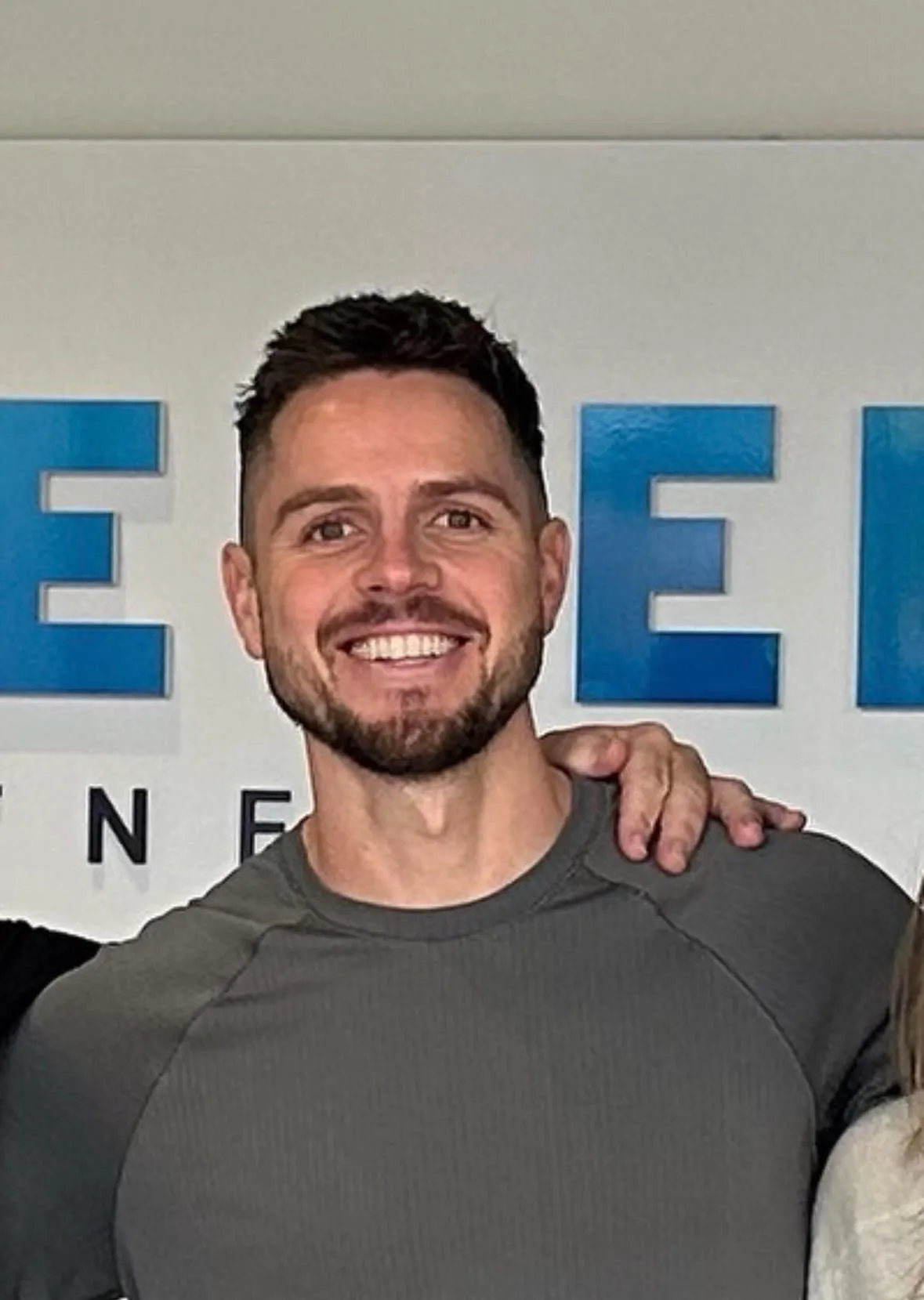
Tim Rigby
Tim is a Physiotherapist, Strength & Conditioning coach who has been in the Sports medicine / rehabilitation field for over 10 years...
Sports Physiotherapy - FAQ's
What types of sports injuries can physiotherapy help with?
Sports physiotherapy can help with a wide range of injuries, including muscle strains, ligament injuries, tendon problems, joint injuries and pain related to training or competition. Your physiotherapist will assess your injury and consider the demands of your sport when planning your rehabilitation.
Can I continue training while recovering from a sports injury?
In many cases, you may be able to continue some form of training with appropriate modifications. Your physiotherapist can help you understand which activities are suitable, what to avoid and how to gradually increase your training as your capacity improves.
How can physiotherapy help me return to sport?
Returning to sport involves more than simply reducing pain. Rehabilitation can progressively rebuild your strength, movement, conditioning and sport-specific capacity so you can return with greater confidence and be prepared for the demands of your sport.
Patient Resources and Articles
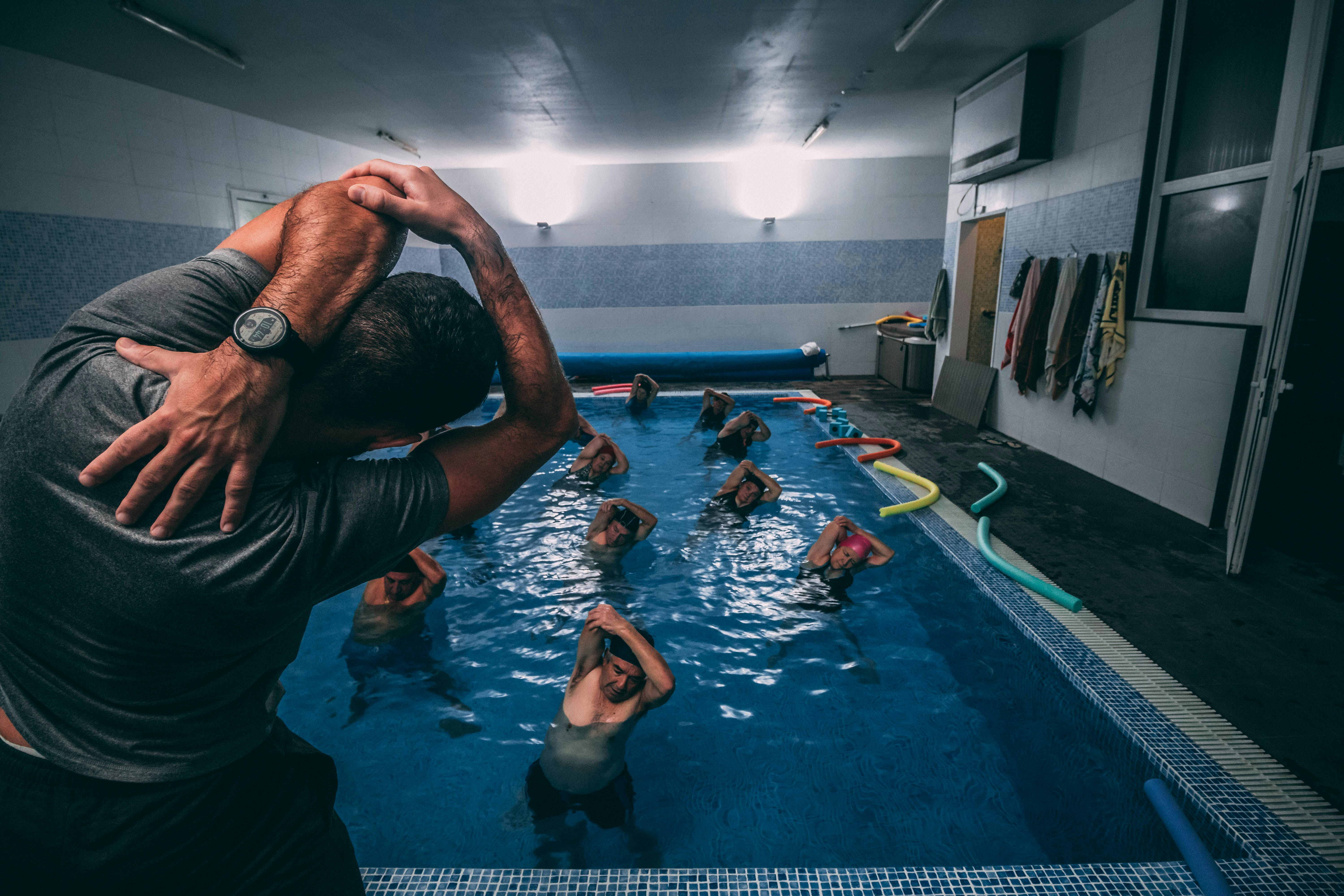
Water-Based Rehab
Why Water Can Feel Safer (and Work Better) Than Land for Rehabilitation
For a lot of people, rehab doesn’t feel like a fresh start. It feels… intimidating.
Maybe you’ve been told to “get moving again,” but your body feels stiff, heavy, or unreliable.
Maybe you’ve tried the gym before and it just didn’t feel right. Or you’re worried about pain, balance, or making things worse.
And sometimes, it’s not just physical — it’s that quiet feeling of “I don’t quite trust my body yet.”
If that sounds familiar, you’re not alone. And this is exactly where water can make things feel different.
Hydrotherapy isn’t about pushing harder. It’s about creating an environment where movement feels possible again.
And for many people — especially those who feel fragile, deconditioned, or unsure —
that changes everything.
1. You don’t feel your full body weight
In the water, your body is supported.
At chest depth, you might only be carrying 30–40% of your body weight.
That means:
Less pressure on joints
Less strain through muscles
Less discomfort when moving
For people who feel heavier, weaker, or sore — this often makes movement feel manageable for the first time in a while.
2. It takes the pressure off, both physically and mentally
On land, exercise can feel confronting.
Hard floors. Mirrors. Equipment.
A sense that you need to “keep up” or push through.
In the water, things slow down.
There’s:
No impact
Less fear of falling
More support around your body
And that creates something really important: A sense of safety.
When people feel safe, they’re more willing to move. And when they move more — progress follows.
3. Movement becomes smoother and less painful
Water has a gentle compressive effect on your body.
This helps:
Reduce swelling
Ease stiffness
Improve circulation
Many people notice that movements like:
Walking
Bending
Reaching
…feel easier in the pool than they do on land.
Sometimes significantly easier.
4. You can build strength without “feeling like exercise”
One of the biggest barriers to rehab is simply not enjoying it.
Or feeling like it’s too hard, too uncomfortable, or too overwhelming.
In water, strength builds differently.
You’re not lifting heavy weights — you’re moving against water resistance.
It’s:
Smoother
More controlled
Easier to adjust to your comfort level
Which means people often do more than they expected — without feeling pushed.
5. It gives you a starting point (without needing to be “fit” first)
A lot of people feel like they need to “get fitter” before starting rehab.
But that creates a loop: You don’t feel ready → so you don’t start → so nothing changes.
Hydrotherapy breaks that cycle. It meets you where you are.
Whether you’re:
Recovering from injury or surgery
Managing pain or stiffness
Feeling deconditioned
Or just unsure where to begin
It gives you a place to start — without needing to push through discomfort.
A common pattern we see looks something like this: Someone tries to exercise on land…
Walking feels heavy or uncomfortable
Balance feels a bit off
Strength exercises flare things up
Confidence drops
So they stop. Not because they don’t want to improve — but because it just doesn’t feel right.
Now compare that to starting in the water.
Walking feels lighter
Movement feels smoother
There’s less fear of getting it wrong
And confidence starts to build
From there, things begin to shift.
People start to:
Move more freely
Build strength gradually
Trust their body again
And over time, that carries over to land. Not as a sudden jump — but as a natural progression.
Rehab doesn’t have to feel like something you have to push through. Sometimes, the key is finding the right environment — one where your body feels supported, not challenged.
Water gives you that. A place where:
Movement feels safer
Progress feels achievable
And confidence can rebuild at your own pace
Because once you feel capable again… everything else tends to follow.
Have a question?
Speak to one of our staff
Contact Details
Bond Institute of Health and Sport Robina, (Next to Cbus Super Stadium) Ground Level, 2 Promethean Way, Gold Coast, QLD, 4226
Follow Us



Copyright 2026 Gold Coast Knee Group