

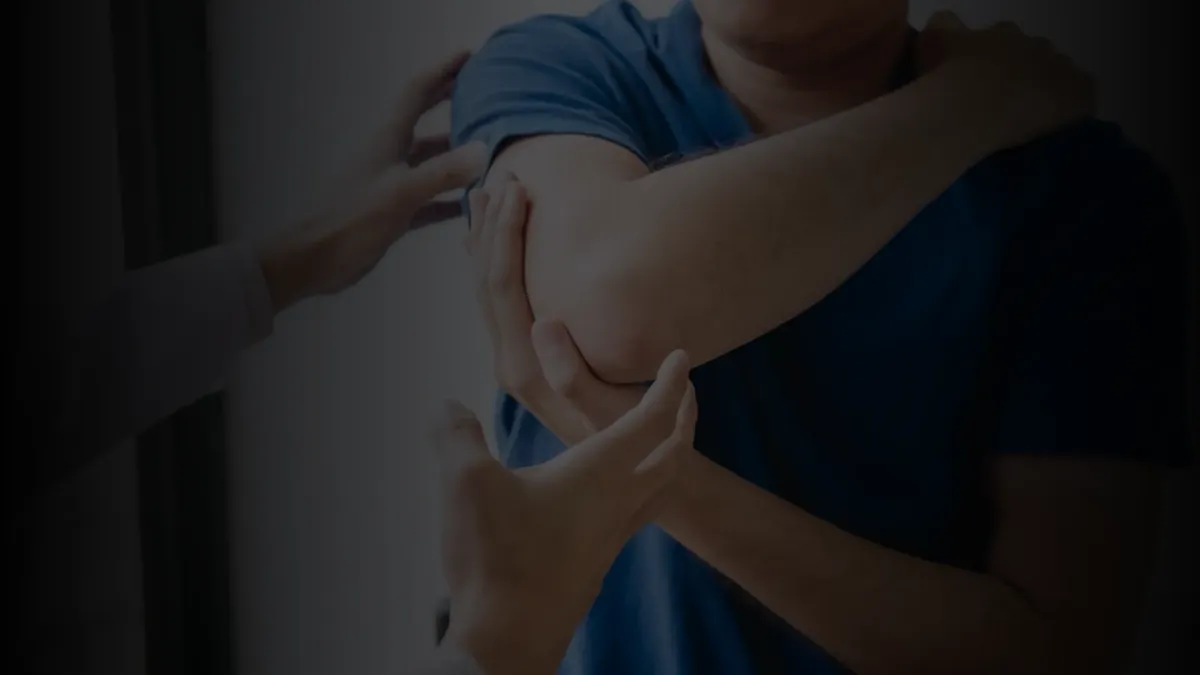

Reach Your Athletic Potential with Precision Care

Elevate Performance:
Tailored Sports Physio for Every Athlete!
Welcome to our Sports Physiotherapy hub, where we build you up to handle the demands of sport. Whether you're a professional athlete or a weekend warrior, our expert physiotherapists are dedicated to optimising your performance and accelerating your recovery. Our physiotherapists have worked in every facet of professional sport from the Olympics to the AFL and NRL. Discover a personalised approach that understands the unique demands of your sport, ensuring you reach new heights in health and athleticism.
Expert Practitioners

Hardy Sattler
Hardy Sattler is a distinguished Titled APA Sports and Exercise Physiotherapist and Honorary Adjunct Assistant Professor....

Kate O’Connell
Kate O'Connell, a Titled Sports and Exercise Physiotherapist, brings 14 years of experience to her practice. Specializing in musculoskeletal...

Adam Walker
Adam Walker, a passionate physiotherapist and director at Gold Coast Knee Group, focuses on knee pain and injury rehabilitation...

Shannon Gill
Shannon Gill, an enthusiastic physiotherapist, studied at Bond University, completing a Bachelors of Exercise & Sport Science...

Kendal Sands
From Vancouver, Canada, Kendal played collegiate basketball where she experienced an ACL injury giving her insight into the rehabilitation process...
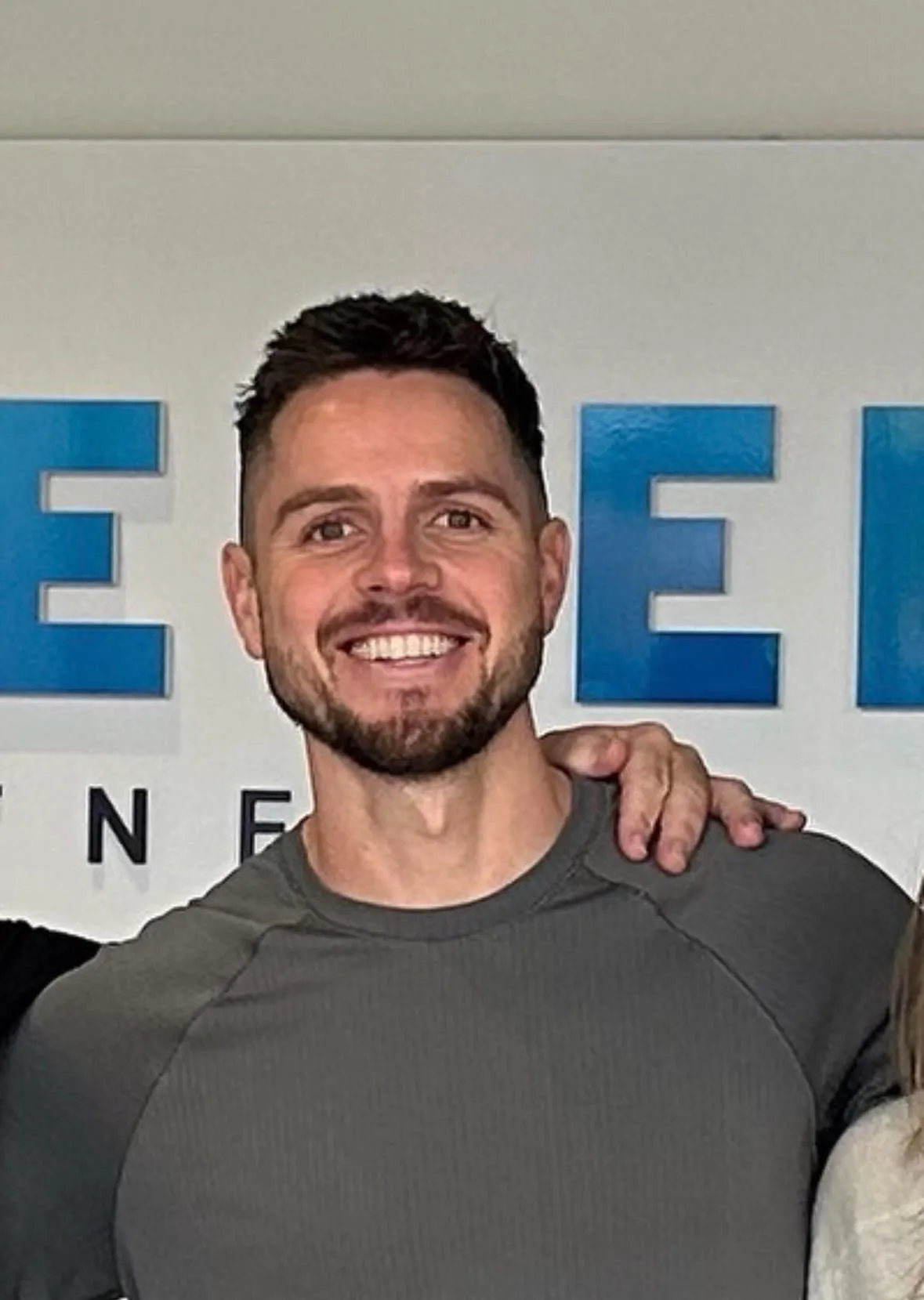
Tim Rigby
Tim is a Physiotherapist, Strength & Conditioning coach who has been in the Sports medicine / rehabilitation field for over 10 years...
Sports Physiotherapy - FAQ's
What types of sports injuries can physiotherapy help with?
Sports physiotherapy can help with a wide range of injuries, including muscle strains, ligament injuries, tendon problems, joint injuries and pain related to training or competition. Your physiotherapist will assess your injury and consider the demands of your sport when planning your rehabilitation.
Can I continue training while recovering from a sports injury?
In many cases, you may be able to continue some form of training with appropriate modifications. Your physiotherapist can help you understand which activities are suitable, what to avoid and how to gradually increase your training as your capacity improves.
How can physiotherapy help me return to sport?
Returning to sport involves more than simply reducing pain. Rehabilitation can progressively rebuild your strength, movement, conditioning and sport-specific capacity so you can return with greater confidence and be prepared for the demands of your sport.
Patient Resources and Articles

What to Do When Things Flare Up
What to Do When Things Flare Up
And Why It Doesn’t Mean You’re Back at the Start
Things can be going reasonably well… and then, suddenly, they’re not.
Maybe you did a bit more than usual. Maybe nothing obvious changed at all. But the symptoms pick up again - more discomfort, more stiffness, or just a general sense that things have gone backwards.
It’s frustrating.
And for a lot of people, the first thought is: “I’ve undone all my progress.”
In most cases, though, that’s not what’s happening.
Flare-Ups Are More Common Than You Think
Almost every rehab journey has a few bumps in it.
Even when things are trending in the right direction, it’s still quite normal to have periods where symptoms increase for a few days. Sometimes it’s linked to doing a bit more than your body is ready for. Other times it’s less clear.
Either way, it doesn’t usually mean the injury has worsened in any significant way.
It’s often just your body reacting to a change - or catching up with one.
Why They Happen
As you start to build back into movement and activity, your body is being asked to tolerate more.
That’s a good thing. It’s how progress happens.
But occasionally, that increase in load - whether it’s exercise, sport, or even just daily activity - edges slightly past what your system is ready for right now.
When that happens, symptoms can spike a bit.
It’s not failure. It’s more like feedback.
A sign that something might need to be adjusted, rather than stopped completely.
The Reaction Matters More Than the Flare-Up
This is usually the point where things can go one of two ways.
Some people push through it, thinking they need to “stay consistent no matter what.” Others stop everything, waiting for things to fully settle again before restarting.
Both reactions are understandable.
But neither tends to work particularly well long term.
Often, the more helpful approach sits somewhere in the middle.
What Actually Helps
When things flare up, the goal isn’t to ignore it - but it’s also not to shut everything down.
It’s to adjust.
That might mean reducing the intensity or volume of what you’re doing for a short period, while still keeping some level of movement going. Completely stopping can sometimes make things feel stiffer or harder to restart.
This is also where the different parts of physio tend to work together.
A bit of guidance around how to modify your plan can help you stay on track without overloading things further. Hands-on treatment can help settle pain and stiffness, making it easier to keep moving. And then, gradually, you build things back up again.
It’s rarely a reset, more of a temporary step sideways before continuing forward.
Looking at the Bigger Picture
One flare-up, or even a few, doesn’t erase the progress you’ve made.
It can feel like it in the moment. Especially if symptoms return to something that feels familiar.
But if you zoom out a little - over a few weeks - the overall trend is usually still moving forward.
That’s the part that matters most.
When to Reach Out
If you’re not sure how to adjust things, or if something doesn’t feel quite right, it’s always worth checking in.
A quick conversation can often clear things up, or help fine-tune your plan so you’re not guessing your way through it.
It doesn’t have to be a big issue to reach out.
Sometimes it’s just about getting a bit of direction so you can keep things moving.
Conclusion
Flare-ups can feel like a setback.
But most of the time, they’re just part of how the process unfolds - especially as you start to do more and build capacity.
They don’t mean you’re back at the start.
Usually, they just mean something needs a small adjustment.
And when you handle them that way - rather than stopping completely or pushing through - things tend to settle, and progress continues on from there.
Have a question?
Speak to one of our staff
Contact Details
Bond Institute of Health and Sport Robina, (Next to Cbus Super Stadium) Ground Level, 2 Promethean Way, Gold Coast, QLD, 4226
Follow Us



Copyright 2026 Gold Coast Knee Group