



Unwind, Heal, and Renew with Expert Touch
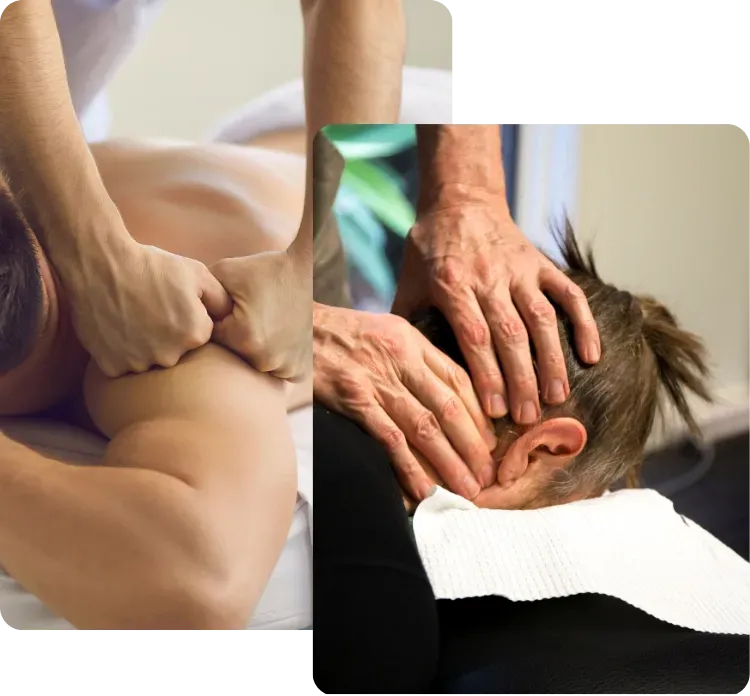
Rejuvenate with Expert
Remedial Massage at Bond Physiotherapy!
Indulge in the therapeutic benefits of Remedial Massage at Bond Physiotherapy. Our skilled massage therapists combine expertise with a nurturing touch to address muscular tension, promote relaxation, and enhance overall well-being. Experience the rejuvenating power of expert massage therapy tailored to your unique needs.
Expert Practitioners

Patrick Agussol
Patrick Agussol, a Remedial Massage Therapist, combines a passion for helping people with an active lifestyle.
Patient Resources and Articles
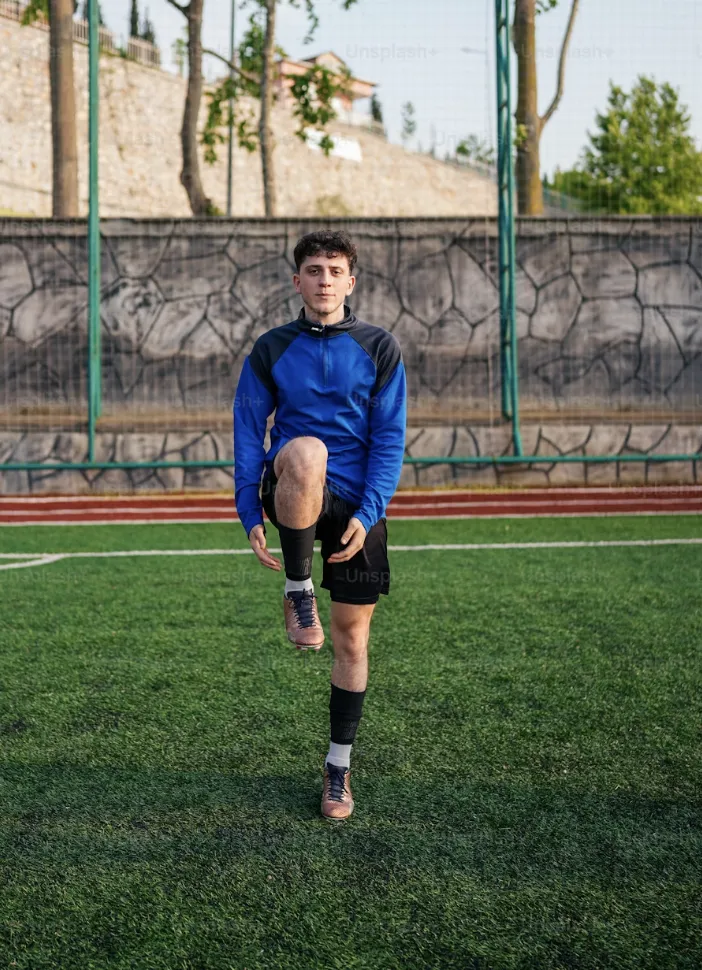
How to Protect Your Knees: Easy Tips for ACL Injury Prevention
8 Simple Steps for Preventing Knee Injuries in Sports
At Gold Coast Knee Group, we want to help you keep your knees strong and safe, especially if you love sports!
Knee injuries, like a torn ACL, can happen during games or practice.
Our simple checklist for knee injury prevention helps you stay active and avoid harm.
A Checklist to Protect Knees
Preventing knee injuries, particularly ACL tears, requires proactive effort. Below are eight detailed strategies, grounded in research and clinical experience, to safeguard athletes’ knees.
Can you confidently say yes to each of the below statements?
If not all, then certainly the more the better.
1.
I engage in a periodised strength program that considers my needs and is designed by an expert
Strength training is essential for injury prevention.
A tailored program, designed by a professional, builds muscle, tendon, and connective tissue capacity to handle sports’ demands, like high jumps or sharp cuts.
Strong muscles act as “body armour,” protecting joints during contact or explosive moves. It also enhances the nervous system for better coordination and technique.
The program should focus on functional strength and movement patterns specific to your sport, reducing injury risk while boosting speed and power, and not popular fitness or bodybuilding sessions.
2.
I have been taught how to jump and land on one and two legs, and am working on plyometrics in the gym
Landing from jumps is a common injury trigger in sports like AFL, netball, basketball, and soccer. Research shows females often land with risky patterns, like knees collapsing inward (valgus), which increases ACL tear risk.
Learning proper landing mechanics - on one or two legs, in multiple directions (up, forward, side, rotational) - builds control.
Plyometric exercises, like hurdle jumps or reactive hops, enhance these skills. Practising “sticking” a landing or responding to a push mimics game scenarios, ensuring safer movements in high-pressure moments.
3.
I have learnt how to optimise my running and change of direction mechanics, including how to decelerate
Change of direction is the top cause of ACL injuries. Strong, fast athletes with poor mechanics move with more force into risky movements, especially during deceleration, when forces peak as you slow down to cut or land.
Learning to decelerate prevents awkward positions. Training to optimise running and cutting, like sidestepping, reduces injury risk and improves agility and efficiency.
4.
My team performs a structured injury prevention warm-up as part of our regular training
Structured warm-ups, done twice weekly for 15 minutes, can reduce ACL injuries by up to 50%. These include mobility, activation, strength, plyometrics, and movement drills tailored to sports’ demands. Common programs include Prep to Play (AFLW), Perform+ (Soccer), and TouchTime (Touch Football).
Programs exist for various sports, but community teams, often led by volunteers, struggle with training and funding to implement them consistently. If participation drops to once weekly, benefits disappear. Coaches and clubs should prioritise these warm-ups to keep teams safer - reach out for resources to get started.
5.
I recognise when I am feeling rundown and have had a high training load
Youth athletes face intense schedules: school sports, club training, games, and multi-day carnivals, sometimes playing multiple sports. Add exams, or family stress, and fatigue spikes injury risk. For example, a teen might train five nights and play twice weekly, leaving little recovery time.
Recognising when you’re run-down - feeling sluggish or sore - and telling coaches or parents to adjust training is crucial to prevent burnout and injuries.
6.
I prioritise sleep and nutrition to help me recover
Recovery gadgets like compression boots are nearly worthless without sleep and nutrition.
Youth athletes with high training loads need 7-10 hours of sleep nightly - sometimes more - to repair tissues. Low sleep increases injury risk. Simple sleep hygiene - limiting screen time, avoiding caffeine, and eating earlier - optimises recovery.
Nutrition is key: under-fueling weakens tissues. Eating carbs and protein before, during, and after exercise fuels performance and repair, keeping knees resilient. Athletes should speak to a sports dietitian for assistance.
7.
I love free-play and exploring other sports in the offseason that build my body in different ways
Early specialisation before age 15 raises injury and burnout risks while limiting athletic growth.
Our youth are lacking developmental free play, reducing movement variety. Playing the same sport year-round overuses specific patterns, increasing overuse injuries. Off-season activities that involve different movements from their main sport build diverse skills and muscles, keeping training fun.
Multi-sport athletes are more likely to be drafted, have healthier, longer careers and avoid mental burnout.
8.
If I sustain an injury, I’ll find an expert and complete a comprehensive rehab and return to play test
A previous injury is the biggest risk factor for future ones. Rushing back after a knee injury without full rehab invites trouble.
An athlete feeling “good” after having a few weeks off may have a 20-30% strength or power deficit, unseen without testing. Comprehensive rehab, guided by an expert, restores strength, explosiveness, and mechanics - not just pain relief.
This prevents reinjury cycles and long-term impairments like needing to strap an ankle forever after a poorly rehabbed sprain.
Wrapping Up
Want to keep knees safe?
Follow these eight steps: build strength with a tailored program, master landing and cutting mechanics, do regular injury prevention warm-ups, monitor fatigue, prioritise sleep and nutrition, embrace diverse sports, and fully rehab any injuries.
Frequently Asked Questions About Knee Injury Prevention
1. What is an ACL injury, and why is it bad?
An ACL injury is when a ligament in your knee tears, often during sports. It can hurt a lot and keep you from playing for a long time. Preventing it keeps your knees safe!
2. How can I make my knees stronger for sports?
Do exercises like squats or jumps, get a strength plan from a coach, and practice landing correctly. These steps build strong knees for better knee safety for athletes.
3. Why are warm-ups important for knee health?
Warm-ups get your muscles and joints ready for sports. They lower your chance of getting hurt by making your body stronger and more flexible.
4. Can playing different sports help my knees?
Yes! Playing different sports builds new muscles and skills, which helps prevent overuse injuries and keeps your knees healthy.
5. What should I do if I think my knee is injured?
Stop playing and tell an adult, like a parent or coach. See a doctor or therapist to check your knee and make a plan to heal properly.
We’re here to help you stay active and safe. Contact us at Gold Coast Knee Group for tips or support! Visit our patient resources for more ways to protect your knees.
Yours in knee health,
Dr. Adam Walker
Director and Head of Rehabilitation
Gold Coast Knee Group
adam@gckneegroup.com.au
0408 051 943
www.gckneegroup.com.au

Have a question?
Speak to one of our staff
Contact Details
Bond Institute of Health and Sport Robina, (Next to Cbus Super Stadium) Ground Level, 2 Promethean Way, Gold Coast, QLD, 4226
Follow Us



Copyright 2026 Gold Coast Knee Group