



Your Path to Post-Surgery Recovery, Guided by Experts

Surgical Recovery Mastery:
Bond Physiotherapy's Expert Guidance!
Embark on a guided journey to recovery after surgery at Bond Physiotherapy. Having deep relationships with the Gold Coast best orthopaedic surgeons for decades puts the team in the optimal position to understand your surgery and post-surgical needs. Support your healing process, ensuring a seamless transition from surgery to restored functionality. Trust our experienced team to navigate your post-surgical rehabilitation with expertise and compassion.
Expert Practitioners

Hardy Sattler
Hardy Sattler is a distinguished Titled APA Sports and Exercise Physiotherapist and Honorary Adjunct Assistant Professor at Bond Physio...

Adam Walker
Adam Walker, a passionate physiotherapist and director at Gold Coast Knee Group, focuses on knee pain and injury rehabilitation...

Jedda Kennedy
Jedda Kennedy is a dedicated physiotherapist with a Masters in Physiotherapy and Exercise Science. Her expertise spans...

Adrian Kan
Adrian Kan, a Physiotherapist with a Doctor of Physiotherapy degree and a Bsc (Hons) in Sport & Exercise Science, has a special interest...

Kendal Sands
From Vancouver, Canada, Kendal played collegiate basketball where she experienced an ACL injury giving her insight into the rehabilitation process...
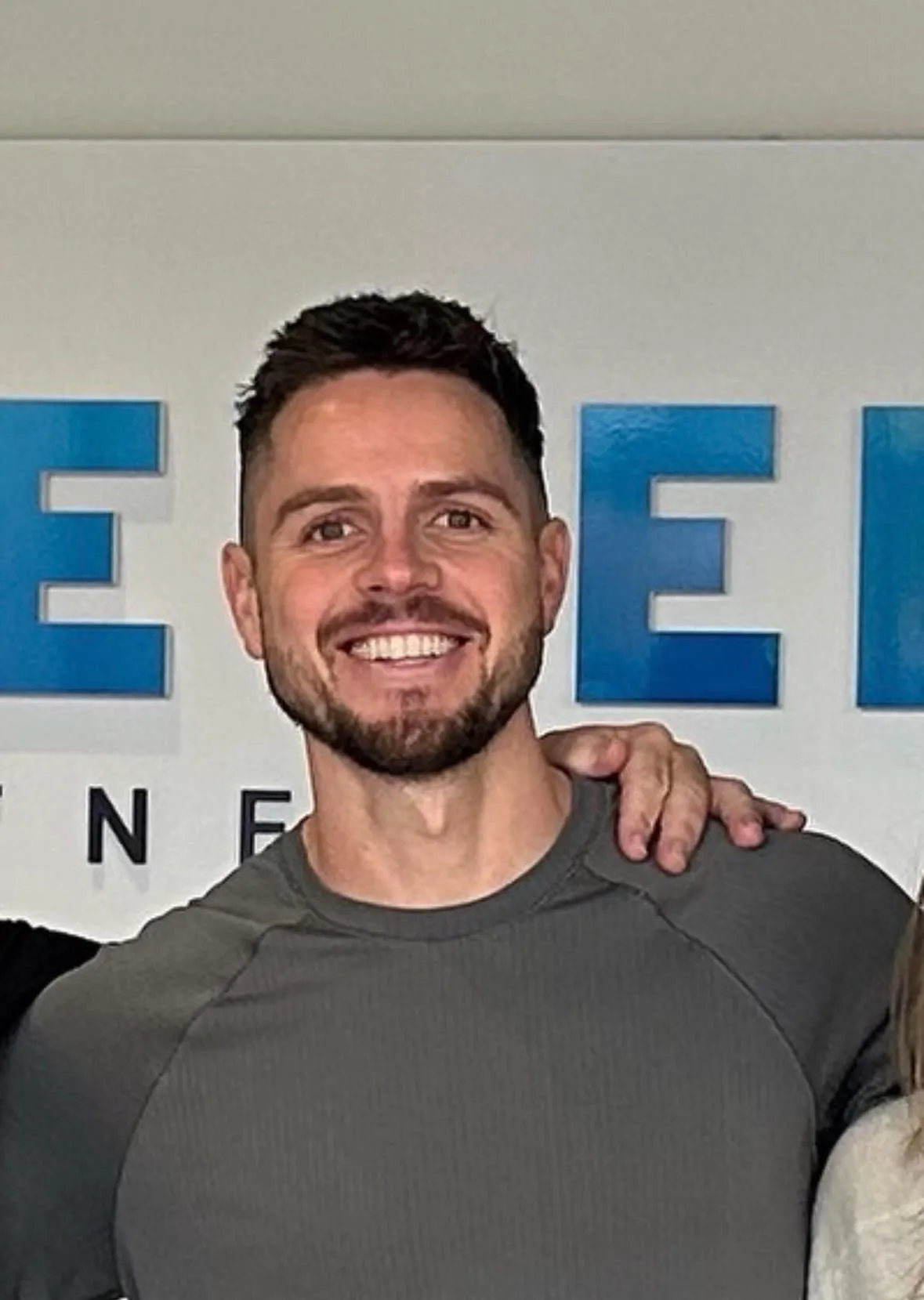
Tim Rigby
Tim is a Physiotherapist, Strength & Conditioning coach who has been in the Sports medicine / rehabilitation field for over 10 years...
Patient Resources and Articles
Why Consistency Matters More Than Intensity in Rehab
Why Consistency Matters More Than Intensity in Rehab
Most people start rehab with pretty good intentions.
You leave your first session feeling clear on what to do. Maybe even a bit motivated. You do the exercises for a few days… things start to ease… and then life gets in the way. Work, training, kids, just general busyness. It slips a little.
And then, at some point, the symptoms creep back in again.
It’s a frustrating cycle - and a very common one.
Not because people don’t care, but because rehab doesn’t always behave the way we expect it to.
The Stop-Start Pattern
A lot of injuries follow a similar rhythm.
You do a bit more → it feels better → you ease off → and then, gradually, it returns.
Sometimes it’s not even that obvious. It might just feel like things plateau… or improve slightly, but never quite settle.
It can give the impression that nothing is really working.
But more often than not, it’s not a lack of effort... it’s just that the effort isn’t quite consistent enough yet to create change.
What Actually Makes Physio Work
When people think about physio, they often picture one thing, usually exercises, or sometimes hands-on treatment.
In reality, it’s usually a combination.
There’s the understanding piece... making sense of what’s going on, what’s driving symptoms, and what tends to help or aggravate things. That part matters more than it seems, because it shapes every decision that follows.
There’s also hands-on treatment, which can help reduce stiffness, ease pain, and create a bit of breathing room. For a lot of people, this is what makes movement feel possible again, especially early on.
And then there’s the rehabilitation side... gradually building strength, control, and capacity so things actually hold up over time.
Each of these plays a role.
But on their own, they tend to have limits.
It’s the combination... applied consistently, and progressed over time... that usually leads to more meaningful, longer-term change.
Why Consistency Changes Everything
The body tends to respond to what you do regularly, not occasionally.
That’s probably the simplest way to think about it.
Doing a lot in one session, then nothing for a week, rarely moves things forward in a lasting way. Whereas smaller, more regular inputs — even if they feel quite manageable — tend to build over time.
It’s not always exciting. And it doesn’t always feel like rapid progress.
But it’s usually what works.
And this is where rehab can feel a bit different to what people expect. It’s less about intensity, and more about rhythm.
Why Your Plan Changes Over Time
One thing that can catch people off guard is how often their program evolves.
Exercises change. Progressions are added. Sometimes things are pulled back slightly.
It can feel a bit inconsistent — but it’s actually the opposite.
Those changes are usually a response to how your body is adapting. As your capacity improves, the stimulus needs to shift with it. Otherwise, things either plateau… or occasionally flare.
So while it might feel like things are being adjusted frequently, there’s usually a clear direction underneath it.
When It Doesn’t Feel Like It’s Working
This is probably the point where most people start to doubt the process.
Progress feels slow. Or symptoms settle, then return. Or it just doesn’t feel as linear as expected.
That doesn’t necessarily mean things aren’t working.
In a lot of cases, it’s just part of how recovery tends to unfold — a bit uneven, sometimes forward, sometimes holding steady for a while.
The key is not reading too much into any single day or session, but looking at the trend over time.
Making It Work in Real Life
The reality is, no one follows a rehab plan perfectly.
Things get missed. Routines change. Motivation dips.
So the goal isn’t perfection.
It’s finding a way to make it fit — into your week, your schedule, your energy levels — in a way that you can keep coming back to.
Because the best plan isn’t the most detailed one.
It’s the one you can actually stick with.
Conclusion
If there’s one idea that tends to make the biggest difference, it’s this:
Progress usually comes from small, consistent steps — supported by the right guidance along the way.
Not big bursts of effort. Not getting everything exactly right.
Just staying with it, adjusting as needed, and letting things build over time.
And when that’s in place, things tend to move in the right direction.
Have a question?
Speak to one of our staff
Contact Details
Bond Institute of Health and Sport Robina, (Next to Cbus Super Stadium) Ground Level, 2 Promethean Way, Gold Coast, QLD, 4226
Follow Us



Copyright 2026 Gold Coast Knee Group