



Your Path to Post-Surgery Recovery, Guided by Experts

Surgical Recovery Mastery:
Bond Physiotherapy's Expert Guidance!
Embark on a guided journey to recovery after surgery at Bond Physiotherapy. Having deep relationships with the Gold Coast best orthopaedic surgeons for decades puts the team in the optimal position to understand your surgery and post-surgical needs. Support your healing process, ensuring a seamless transition from surgery to restored functionality. Trust our experienced team to navigate your post-surgical rehabilitation with expertise and compassion.
Expert Practitioners

Hardy Sattler
Hardy Sattler is a distinguished Titled APA Sports and Exercise Physiotherapist and Honorary Adjunct Assistant Professor at Bond Physio...

Adam Walker
Adam Walker, a passionate physiotherapist and director at Gold Coast Knee Group, focuses on knee pain and injury rehabilitation...

Jedda Kennedy
Jedda Kennedy is a dedicated physiotherapist with a Masters in Physiotherapy and Exercise Science. Her expertise spans...

Adrian Kan
Adrian Kan, a Physiotherapist with a Doctor of Physiotherapy degree and a Bsc (Hons) in Sport & Exercise Science, has a special interest...

Kendal Sands
From Vancouver, Canada, Kendal played collegiate basketball where she experienced an ACL injury giving her insight into the rehabilitation process...
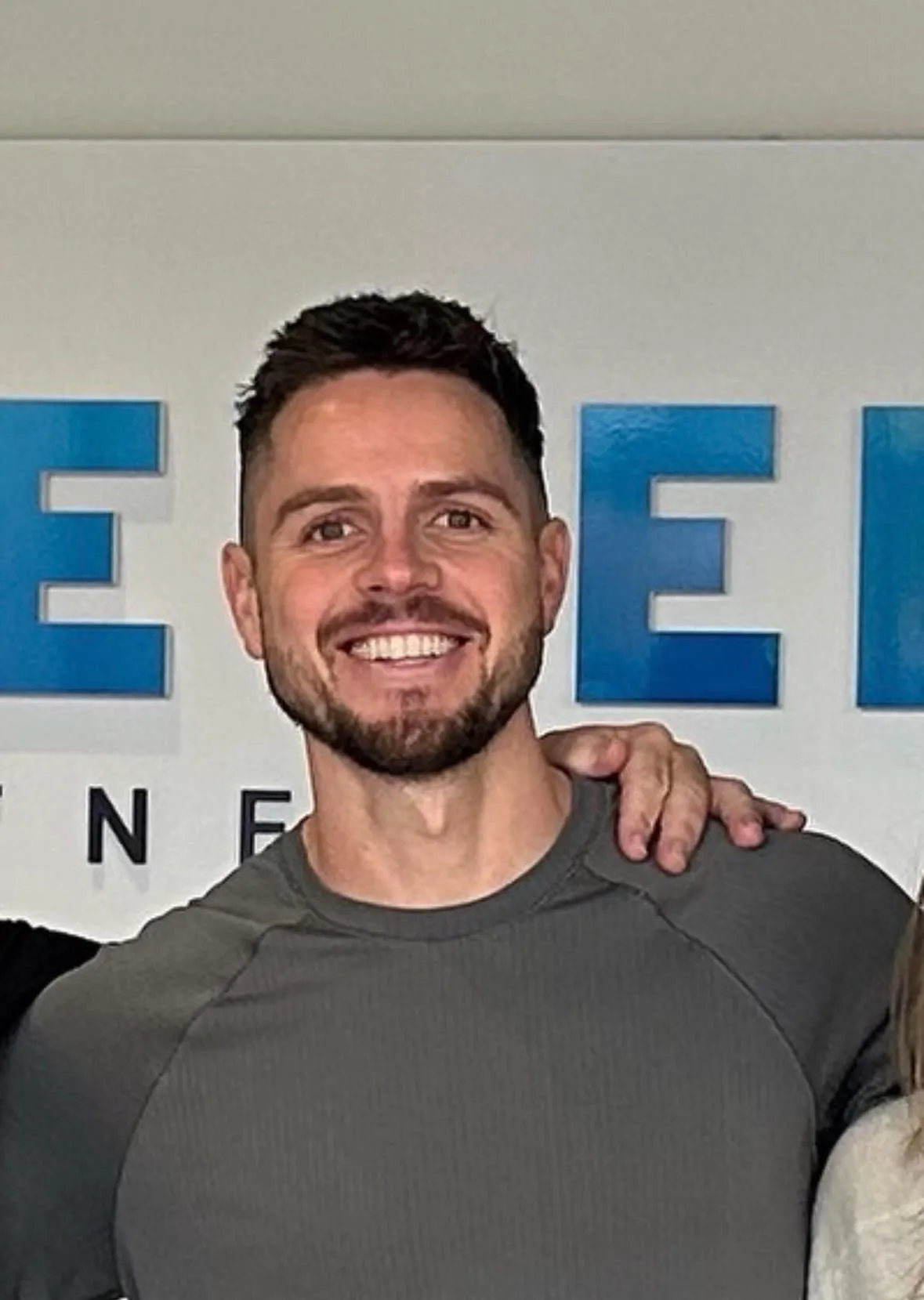
Tim Rigby
Tim is a Physiotherapist, Strength & Conditioning coach who has been in the Sports medicine / rehabilitation field for over 10 years...
Patient Resources and Articles
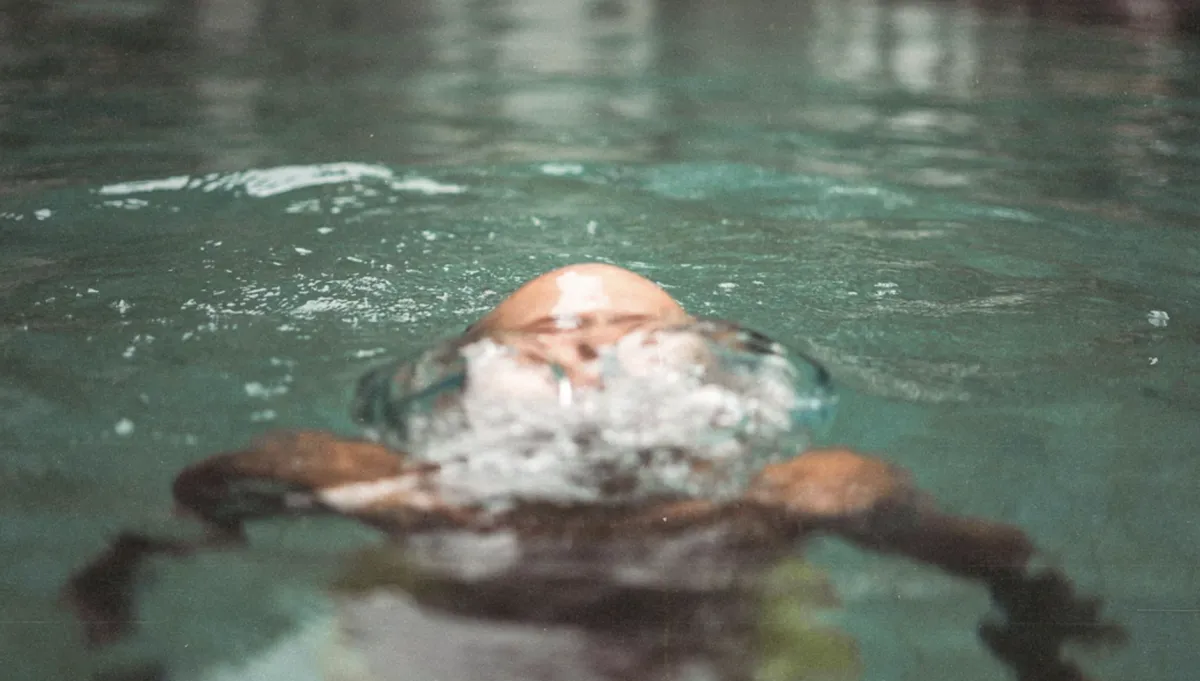
Hydrotherapy for Sports Rehabilitation: Getting Athletes Back, Better
Hydrotherapy for Sports Rehabilitation: Getting Athletes Back, Better
One of the hardest parts of sports rehab isn’t strength.
It’s timing.
Knowing when to push…
when to hold back…
and how to rebuild performance without stepping over the line too early.
Because most athletes don’t struggle with effort, they struggle with uncertainty.
Am I doing enough?
Am I doing too much?
Why does this still feel off?
And this is where hydrotherapy becomes more than just “rehab in water.”
It becomes a way to keep progressing, even when the body isn’t ready for full load yet.
Hydrotherapy isn’t just an early-stage tool.
In sport, it plays a role right through rehab, because it allows you to train around limitations, not just wait for them to disappear.
And that comes down to what water changes.
1. It allows earlier movement without compromising healing
After injuries like ACL reconstruction, there’s a period where the joint simply can’t tolerate full load.
But doing nothing isn’t the answer either.
Water creates that middle ground.
Because of buoyancy, athletes can:
Walk earlier with better mechanics
Begin gait retraining sooner
Restore range of motion more comfortably
All without exposing the knee to full body weight.
2. It maintains conditioning when you’d otherwise lose it
One of the biggest performance drops post-injury isn’t strength, it’s fitness.
And it declines quickly.
Hydrotherapy gives you a way to maintain it:
Deep water running
Interval-based conditioning in the pool
Continuous aerobic work without joint stress
Research shows this can maintain aerobic capacity and running performance, even when weight-bearing training isn’t possible.
So when you return to land, you’re not rebuilding everything from scratch.
3. It helps rebuild movement quality, not just muscle
Strength matters, but movement quality is what keeps athletes healthy.
After injury, compensations creep in:
Offloading one side
Poor control through range
Altered timing and coordination
Water allows earlier reintroduction of:
Squatting patterns
Lunging
Controlled single-leg work
All in a way that reduces fear and improves control.
So instead of waiting to “earn” movement, you start practising it earlier, just in a different environment.
4. It creates a safer entry point into power and impact
This is where hydrotherapy really stands out.
On land, plyometrics can expose the body to forces of 2–6x body weight.
In water, those forces are reduced by around 45–60%.
That means you can introduce:
Jumping
Landing
Change-of-direction patterns
…earlier, and with significantly less joint stress.
It’s not about avoiding load, it’s about progressing toward it more intelligently.
5. It helps manage load across the entire rehab process
Load management is everything in sports rehab.
Too little → deconditioning
Too much → setbacks
Water gives you flexibility:
Add volume without overloading joints
Maintain training frequency
Use it as recovery or conditioning between heavier sessions
Especially in later stages, this becomes a key advantage.
To make this practical, let’s look at how hydrotherapy fits into a typical ACL rehabilitation timeline, particularly the first 3-4 months, where most of the foundation is built.
Phase 1: Early stage (Weeks 2-4) “Restore movement and confidence”
This is where everything still feels limited.
Swelling is present
Range of motion is restricted
Walking may still feel unnatural
Hydrotherapy focuses on:
Gait retraining → practising normal walking patterns with reduced load
Range of motion work → bending and straightening the knee more comfortably
Early muscle activation → quads, glutes, calf engagement
Light conditioning → deep water walking, swimming or gentle aerobic work
The key here isn’t intensity, it’s quality.
Getting movement back early, and getting it right.
Phase 2: Mid stage (Weeks 4-8) “Build strength + reintroduce running patterns”
At this stage, things are improving, but the knee still isn’t ready for high load.
This is where hydrotherapy becomes a real performance tool.
You can start:
Deep water running → maintaining fitness and reintroducing running mechanics
Functional strength work → squats, lunges, step patterns in water
Balance + control drills → single-leg stability, controlled movement
Progressive conditioning → intervals, sustained aerobic work
Importantly, you’re not just getting stronger, you’re rebuilding how you move.
And because load is reduced, you can do more of it, more often.
Phase 3: Late mid-stage (Weeks 8-16) “Return to running + introduce impact”
This is where things start to feel more like “training” again. On land, you might just be returning to:
Straight-line running
Controlled gym-based strength
In the pool, you can go a step further. This might include:
Running progressions in water (increasing speed and intensity)
Early plyometric drills → double-leg jumping, controlled landing
Introduction of hopping patterns (lower load, higher control)
Multi-directional movement drills
Because water reduces impact forces, you can:
Practise these earlier
Refine technique
Build confidence before transferring to land
It essentially acts as a bridge between strength and performance.
Throughout all phases, conditioning never stops. One of the biggest advantages across this entire timeline:
You never fully lose your fitness. Conditioning can be layered in from early on:
Low-level aerobic work → early stage
Structured intervals → mid stage
High-intensity efforts → later stages
So when athletes return to running on land… They’re not just physically ready, they’re conditioned, coordinated, and confident.
The difference between a good rehab and a great one often comes down to continuity.
Not stopping and starting. Not waiting for the “perfect time.” But finding ways to keep progressing, even when limitations are still there.
Hydrotherapy allows that. It fills the gaps:
Between rest and training
Between strength and performance
Between early rehab and return to sport
Because in the end, it’s not just about getting back on the field. It’s about getting back ready, with movement that’s stronger, cleaner, and more resilient than before.
Have a question?
Speak to one of our staff
Contact Details
Bond Institute of Health and Sport Robina, (Next to Cbus Super Stadium) Ground Level, 2 Promethean Way, Gold Coast, QLD, 4226
Follow Us



Copyright 2026 Gold Coast Knee Group