



Growing Strong, Moving Well

Youthful Care at Bond Physio:
Supporting Growth and Thriving Kids!
Welcome to a dedicated space for the young ones at Bond Physiotherapy. Our Paediatric and Adolescents care is crafted to support the growth and development of the next generation. From developmental concerns to sports injuries, our expert team provides compassionate care to ensure your child moves, grows, and thrives at their very best.
Expert Practitioners

Jedda Kennedy
Jedda Kennedy is a dedicated physiotherapist with a Masters in Physiotherapy and Exercise Science.
Shannon Gill
Shannon Gill, an enthusiastic physiotherapist, studied at Bond University...
Paediatric & Adolescent Physiotherapy - FAQ's
What can paediatric physiotherapy help with?
Paediatric physiotherapy can assist children and adolescents with developmental, movement and physical concerns, as well as injuries related to sport and physical activity.
Is physiotherapy suitable for young athletes?
How do you make physiotherapy engaging for children?
Treatment is adapted to the child's age, understanding and abilities. We aim to make rehabilitation achievable and engaging while giving parents and young people clear information about their progress and how they can support recovery.
Yes. Young athletes can experience sports injuries while also having specific considerations related to growth and development. Rehabilitation can be adapted to their age, physical development, sport and individual goals.
Patient Resources and Articles
Understanding Growing Pains in Young Athletes
Pindara Physio | Paediatric and Adolescent Sports Injuries
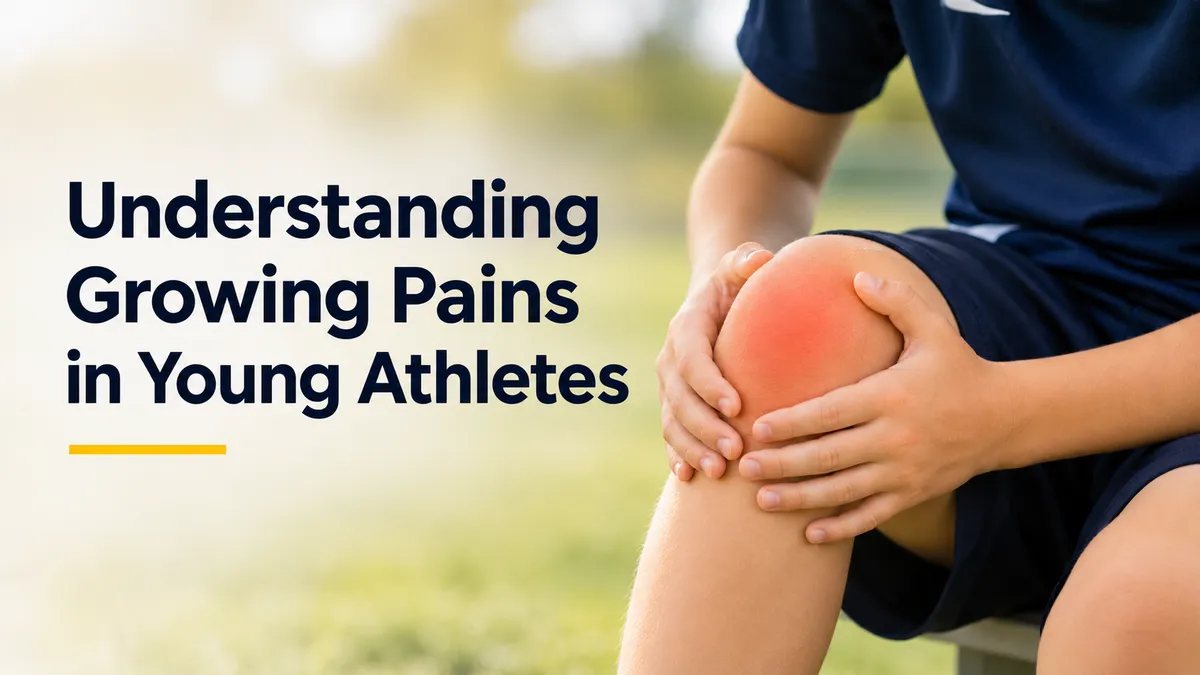
Does your child complain of knee, heel or hip pain after playing sport? One possible cause is apophysitis, a common condition affecting growing children and young athletes.
Apophysitis occurs when the area of growing bone where a tendon attaches becomes irritated from repeated pulling forces. It is particularly common during growth spurts, when bones can grow faster than muscles and tendons, increasing tension around these attachment sites.
The good news is that most cases improve with the right management and don't mean your child has to give up sport.
Why Does It Happen?
Apophysitis is usually an overuse injury rather than the result of one specific accident. It is more common in children who:
Are going through a growth spurt.
Have tight muscles or reduced flexibility.
Participate in sports involving lots of running, jumping or kicking.
Have high training volumes or limited recovery between activities.
Common Types of Apophysitis
Apophysitis can affect different parts of the body, but some areas are more commonly affected than others.
Osgood-Schlatter disease: Pain and tenderness just below the kneecap, often worse with running, jumping and kneeling.
Sever's disease: Pain at the back of the heel, particularly during running and jumping.
Larsen-Johansson disease: Pain at the bottom of the kneecap, commonly aggravated by jumping.
Hip apophysitis: Pain around the hip or pelvis, often associated with running, kicking and dancing.
Thrower's elbow: Pain on the inside of the elbow in children who participate in repetitive throwing activities.
Iselin disease: Pain on the outside of the foot, near the base of the little toe.
How Is It Treated?
Most cases of apophysitis can be managed without surgery. Treatment focuses on reducing irritation while helping your child maintain as much activity as comfortably possible.
Activity modification: Temporarily reducing activities that cause pain rather than stopping all exercise.
Stretching: Improving flexibility in the muscles around the affected area.
Strengthening: Building muscle strength to better tolerate sporting activities.
Gradual return to sport: Slowly increasing training and activity as symptoms improve.
Recovery can take several weeks to months, depending on the location and severity. Some cases take longer to fully settle.
Conclusion
Apophysitis is a common cause of pain in growing children, particularly those who play sport. Although it can be frustrating for both children and parents, most cases improve with appropriate activity modification and rehabilitation.
The goal isn't necessarily to stop your child playing sport, but to help them manage their symptoms, build strength and safely return to the activities they enjoy.
If your child is experiencing ongoing pain during or after sport, a physiotherapy assessment can help identify the cause and guide their recovery.
Reference
Achar S, Yamanaka J. Apophysitis and Osteochondrosis: Common Causes of Pain in Growing Bones. American Family Physician. 2019;99(10):610–618.

Have a question?
Speak to one of our staff
Contact Details
Bond Institute of Health and Sport Robina, (Next to Cbus Super Stadium) Ground Level, 2 Promethean Way, Gold Coast, QLD, 4226
Follow Us



Copyright 2026 Gold Coast Knee Group