
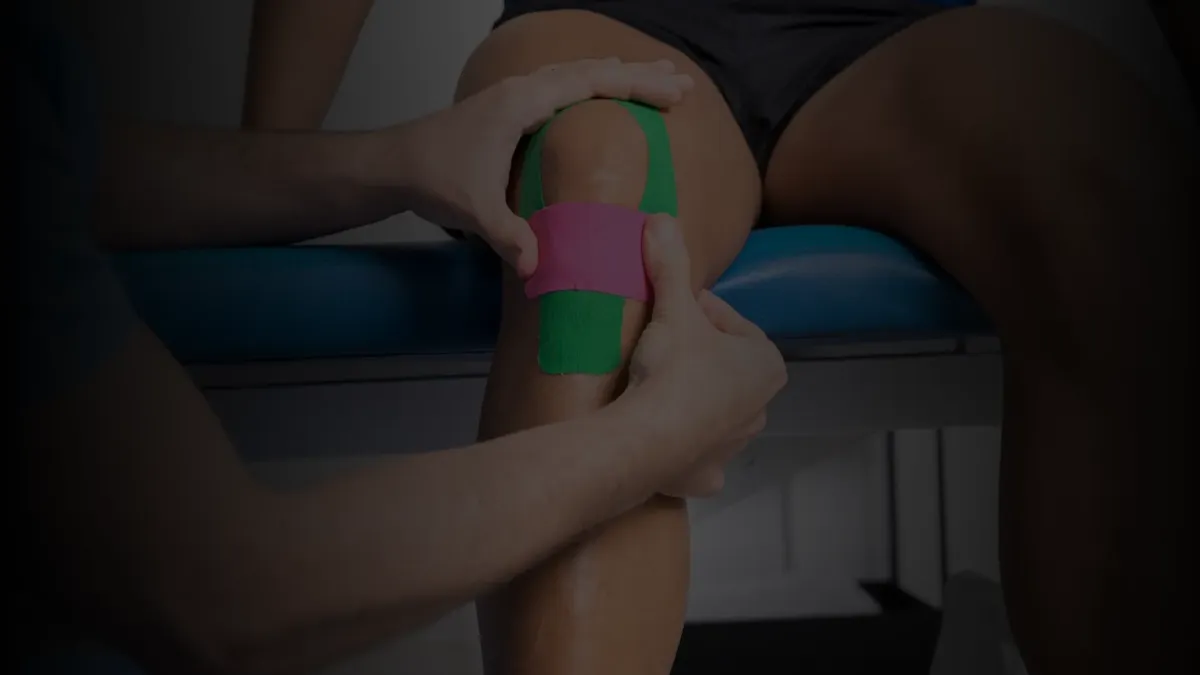


Step into a Pain-Free Tomorrow
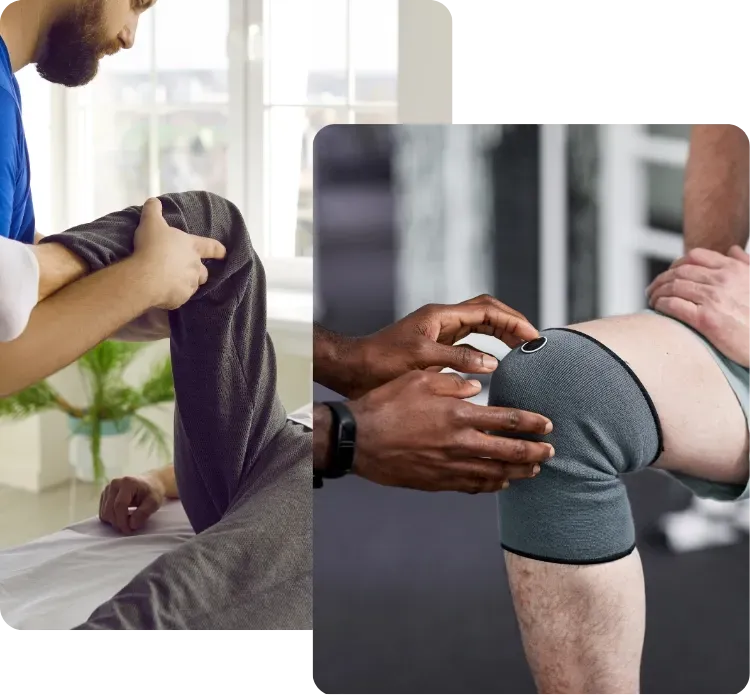
Pain-Free Strides:
Expert Knee Rehab.
Embark on a journey to stronger, pain-free knees with our expert knee rehabilitation programs. Our physios are specialise in the management of ACL injuries, sporting injuries and knee osteoarthritis.They also conducts research and educate and lecture in collaboration with Bond University. From post-surgery recovery to managing chronic conditions, our experienced physiotherapists tailor comprehensive rehabilitation plans to rebuild strength, improve mobility, and enhance the stability of your knees.
Expert Practitioners

Adam
Walker
Adam Walker, a passionate physiotherapist and director at Gold Coast Knee Group, focuses on knee pain and injury rehabilitation...

Hardy
Sattler
Hardy Sattler is a distinguished Titled APA Sports and Exercise Physiotherapist and Honorary Adjunct Assistant Professor...

Adrian
Kan
Adrian Kan, a Physiotherapist with a Doctor of Physiotherapy degree and a Bsc (Hons) in Sport & Exercise Science, has a special interest
in...

Graham Marvin
Graham started as a strength and conditioning coach working with various collegiate and professional athletes. He spends
his ...

Kendal Sands
From Vancouver, Canada, Kendal played collegiate basketball where she
experienced an ACL injury giving her insight into the rehabilitation process. ...

Matt Castro
Matt is a Physiotherapist with a background in Human Kinetics. Born and raised in Canada, Matt grew up playing competitive ice hockey and baseball...
Patient Resources and Articles
Knee Injections for Osteoarthritis: Options, Benefits, and What to Expect
At Gold Coast Knee Group, we often meet people, athletes, active adults, or older patients who want to keep moving but are held back by knee arthritis pain. For many, exercise, weight management, and simple medications help for a while. But sometimes that’s not enough. When the pain keeps creeping back, knee injections may be a useful next step.
It’s important to be upfront: injections don’t cure arthritis and they can’t rebuild the joint. What they can do, though, is reduce pain, improve movement, and often buy time before surgery becomes necessary.
Where Injections Fit in Treatment
Managing knee osteoarthritis is a bit like climbing a pyramid. You start with the basics, and only move up if needed:
Base level (for everyone):
Learning what’s actually happening in your knee
Staying active with safe, joint-friendly exercises
Working with a physiotherapist for strength and movement
Managing weight, if that’s a factor
Using simple pain relief, braces, or shoe inserts
Middle level (injections and other non-surgical options):
Cortisone (steroid) shots
Hyaluronic acid (“gel”) injections
Platelet-rich plasma (PRP) therapy
Radiofrequency nerve treatments
Top level:
Surgery, if and when the joint is too worn for other options
The Main Injection Options
1. Cortisone (Steroid) Injections
How it works: Calms inflammation inside the knee, often during painful flare-ups.
When it’s used: For sudden spikes of pain, or to get through a big event.
Pros: Fast-acting, affordable, and available almost everywhere.
Cons: Relief usually lasts only weeks, and frequent use isn’t safe.
2. Hyaluronic Acid (Gel) Injections
How it works: Acts like a lubricant, helping the joint glide more smoothly.
When it’s used: Mild to moderate arthritis, or if cortisone isn’t suitable.
Pros: Relief can last up to 6 months, and it’s generally safe.
Cons: Doesn’t help everyone, can cause short-term flare-ups, and some guidelines don’t recommend it due to its poor effect.
3. Platelet-Rich Plasma (PRP) Injections
How it works: Uses a sample of your own blood, concentrating the platelets and growth factors before injecting them back into the knee. The idea is to improve the joint’s environment and reduce pain.
When it’s used: Early to moderate arthritis, especially in active people.
Pros: Can last 6-12 months, repeatable, and often longer-lasting than cortisone or gel.
Cons: Results vary, it takes time to work, and it’s not covered by Medicare. High-dose PRP tends to give better results.
4. Radiofrequency (RF) Nerve Ablation
How it works: Uses controlled heat to quiet the nerves that send pain signals from the knee.
When it’s used: People with moderate to severe arthritis who can’t, or don’t want to have surgery yet.
Pros: Relief can last 6-18 months, reduces the need for tablets, and can be repeated.
Cons: Requires a specialist and the effect fades with time.
When We Might Recommend Knee Injections
Quick relief before a holiday or event: Cortisone shot
Ongoing pain making physio difficult: High-dose PRP
Not suitable for surgery but living with severe pain: RF ablation
Key Takeaway
Knee injections aren’t a cure, but they can be powerful tools to manage symptoms. They may:
Lower pain
Help you keep exercising
Reduce the need for medication
Delay or bridge the gap to surgery
If you’d like to explore whether injections could help with your arthritis, we’re here to guide you through the options.
Warm regards,
Dr Adam Walker
Director and Head of Rehabilitation
Gold Coast Knee Group
📧 adam@gckneegroup.com.au
📞 0408 051 943
🌐 www.gckneegroup.com.au
FAQs About Knee Injections for Osteoarthritis
Q: Do injections cure osteoarthritis?
A: No. They manage pain and improve movement but don’t reverse joint damage.
Q: How long does relief last?
A: Depends on the injection, cortisone may last weeks, hyaluronic acid up to 6 months, PRP up to 12 months, and RF ablation up to 18 months.
Q: Are they safe?
A: Yes, when done by an experienced doctor. Side effects are usually mild and temporary.
Q: Which injection is best?
A: It depends on your knee condition, level of pain, and overall health. Your doctor can help you choose the most suitable option.
Q: Will I still need surgery?
A: Possibly. Injections often delay surgery, but they don’t replace it when the joint is badly worn.

Have a question?
Speak to one of our staff
Contact Details
Bond Institute of Health and Sport Robina, (Next to Cbus Super Stadium) Ground Level, 2 Promethean Way, Gold Coast, QLD, 4226
Follow Us



Copyright 2026 Gold Coast Knee Group