
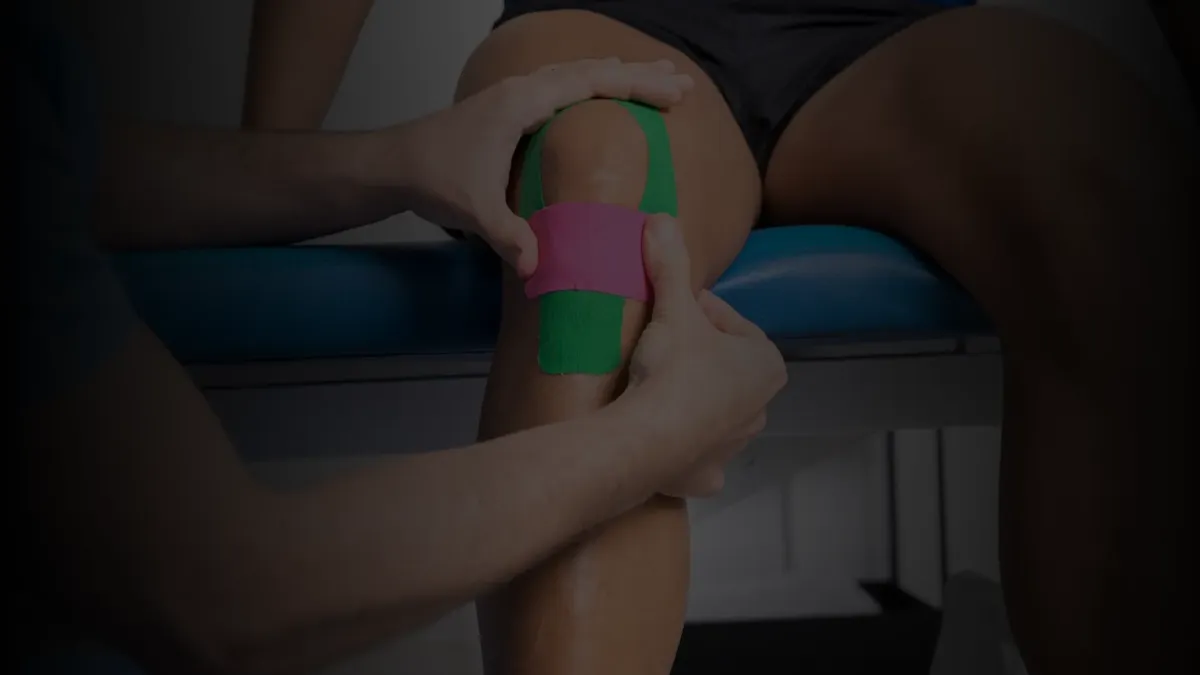


Step into a Pain-Free Tomorrow
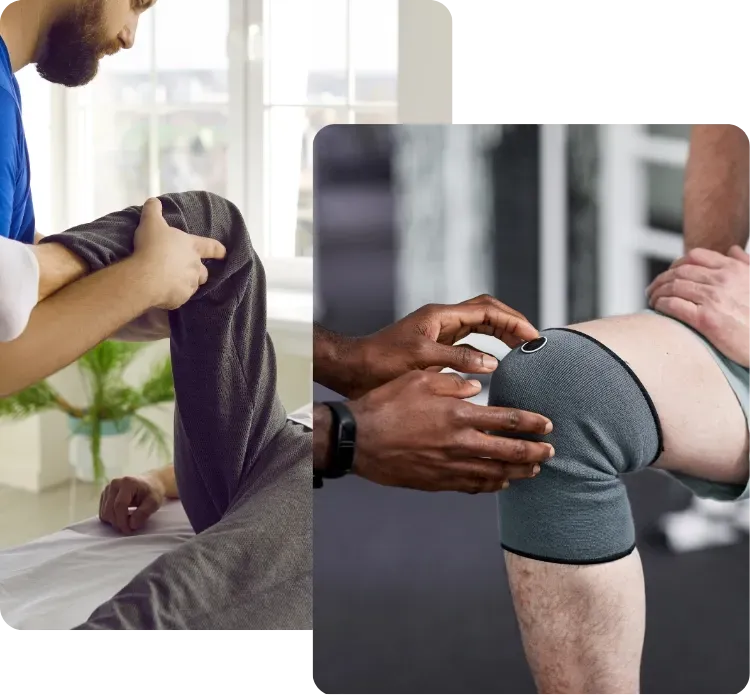
Pain-Free Strides:
Expert Knee Rehab.
Embark on a journey to stronger, pain-free knees with our expert knee rehabilitation programs. Our physios are specialise in the management of ACL injuries, sporting injuries and knee osteoarthritis.They also conducts research and educate and lecture in collaboration with Bond University. From post-surgery recovery to managing chronic conditions, our experienced physiotherapists tailor comprehensive rehabilitation plans to rebuild strength, improve mobility, and enhance the stability of your knees.
Expert Practitioners
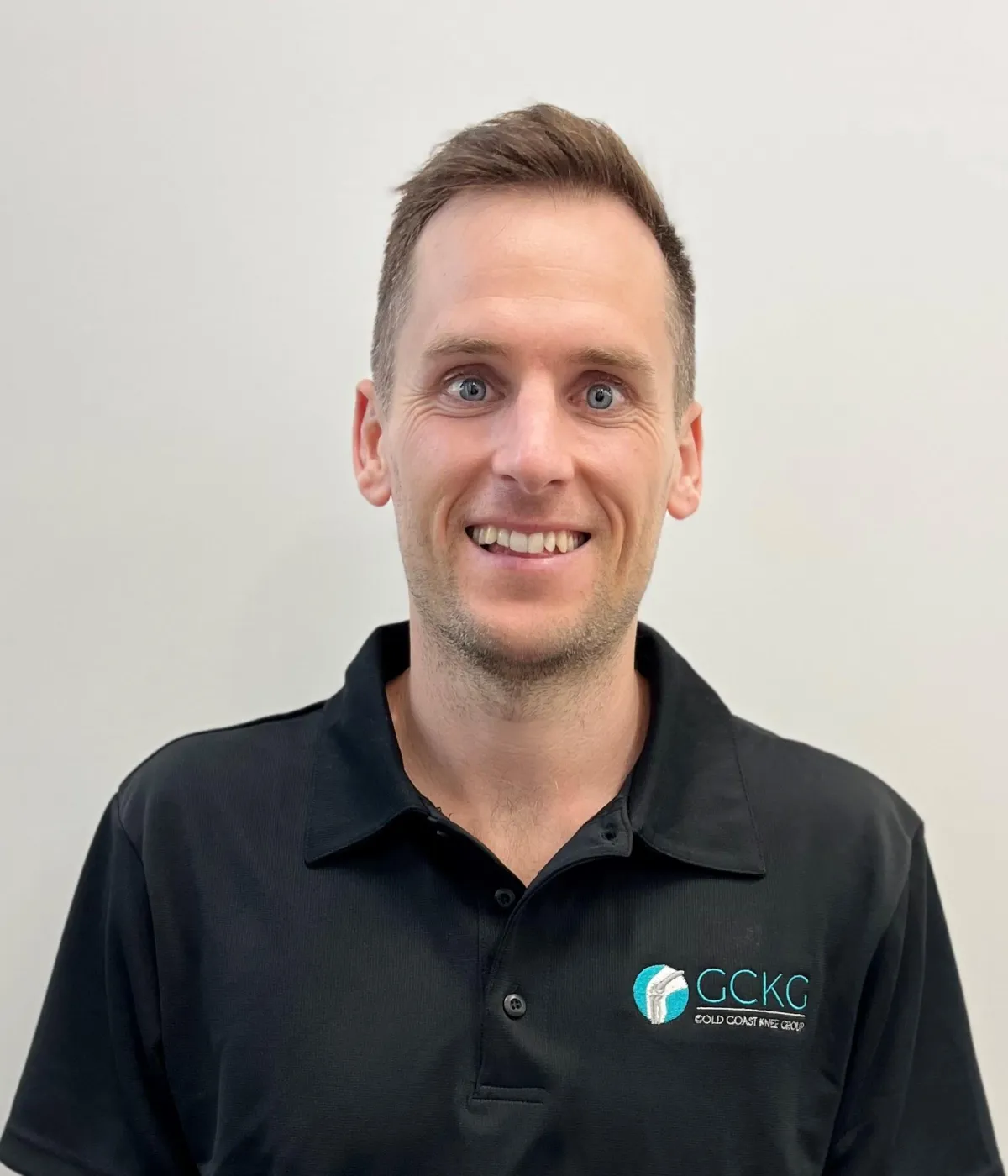
Adam
Walker
Adam Walker, a passionate physiotherapist and director at Gold Coast Knee Group, focuses on knee pain and injury rehabilitation...
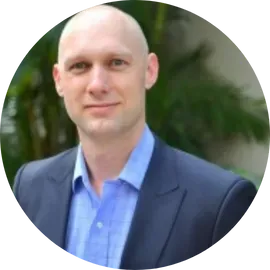
Hardy
Sattler
Hardy Sattler is a distinguished Titled APA Sports and Exercise Physiotherapist and Honorary Adjunct Assistant Professor...
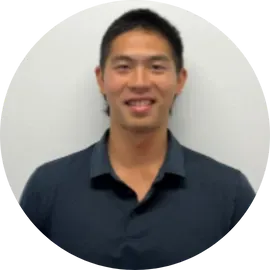
Adrian
Kan
Adrian Kan, a Physiotherapist with a Doctor of Physiotherapy degree and a Bsc (Hons) in Sport & Exercise Science, has a special interest
in...
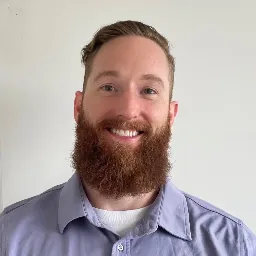
Graham Marvin
Graham started as a strength and conditioning coach working with various collegiate and professional athletes. He spends
his ...

Kendal Sands
From Vancouver, Canada, Kendal played collegiate basketball where she
experienced an ACL injury giving her insight into the rehabilitation process. ...
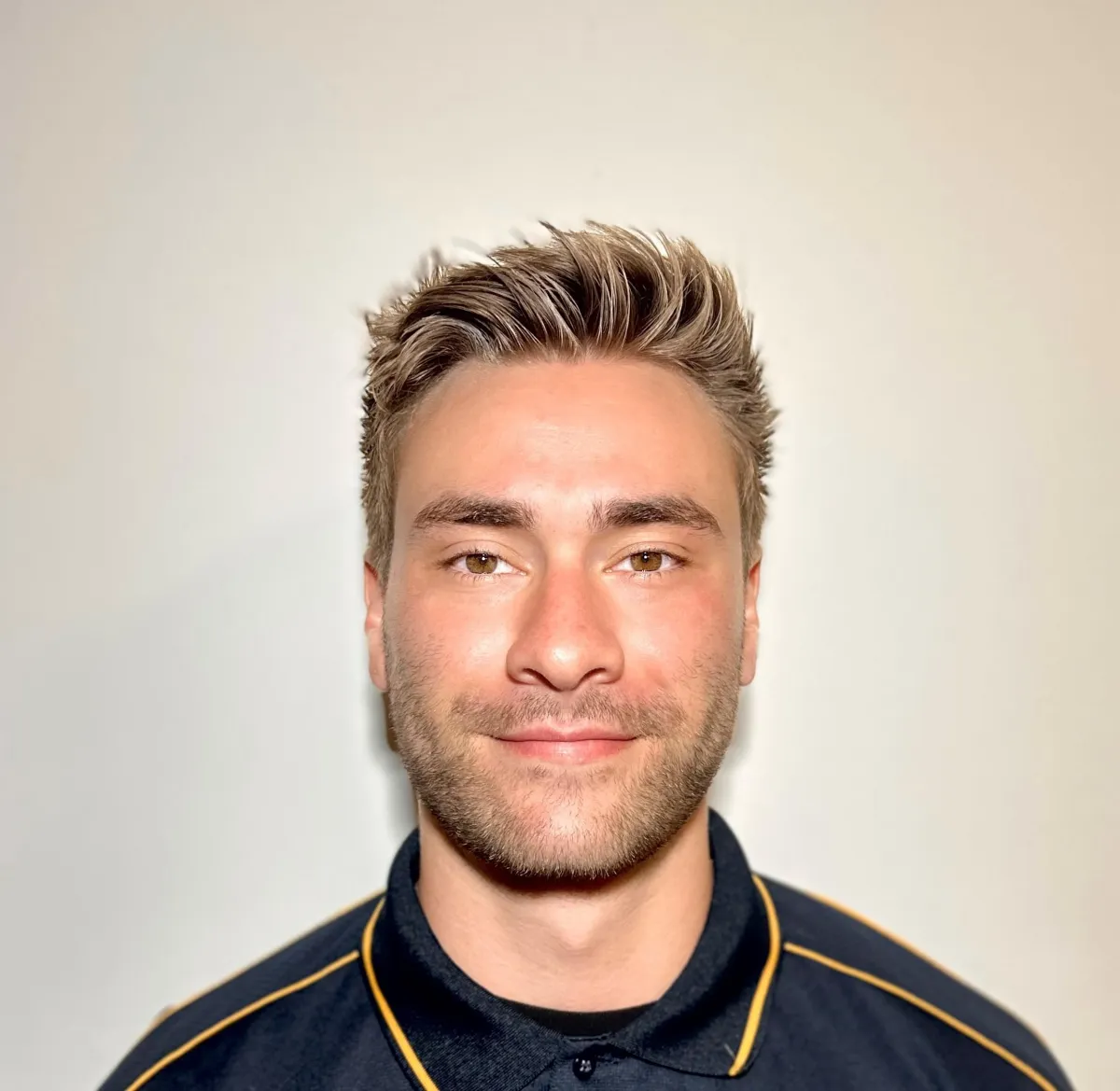
Matt Castro
Matt is a Physiotherapist with a background in Human Kinetics. Born and raised in Canada, Matt grew up playing competitive ice hockey and baseball...
Patient Resources and Articles
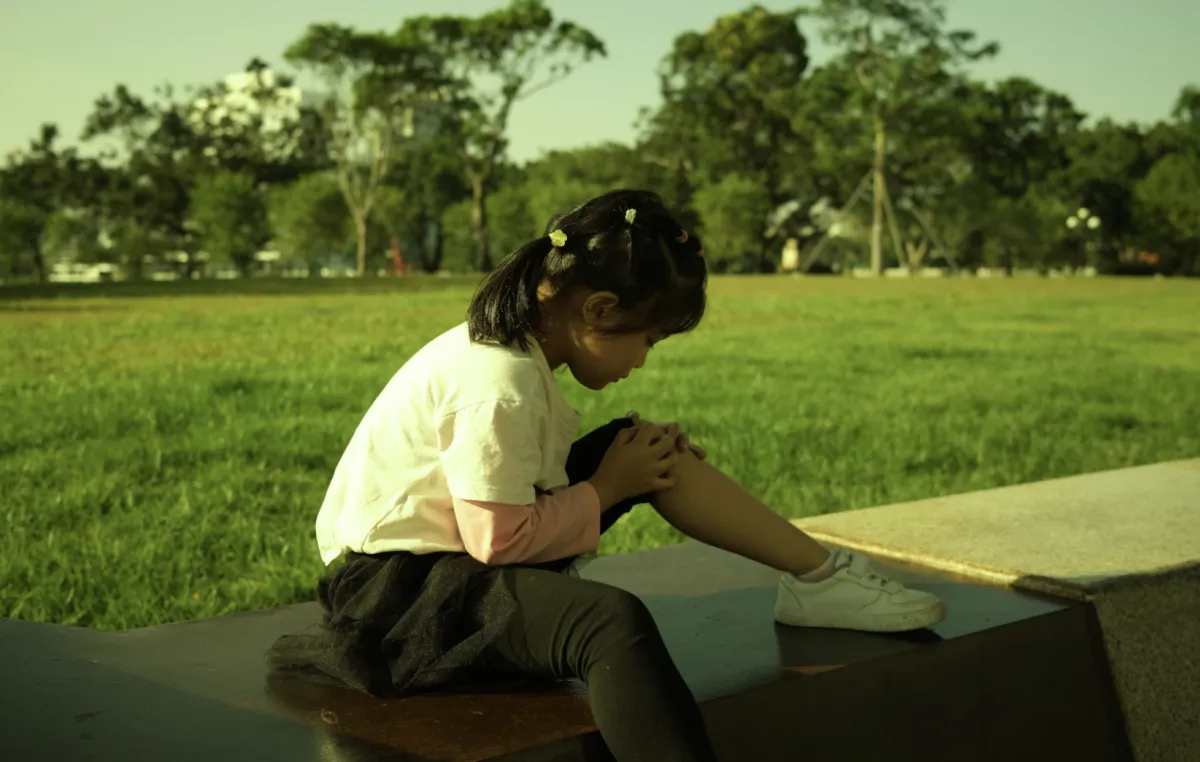
Osgood-Schlatter Disease Explained: Knee Pain in Active, Growing Kids
Understanding Osgood-Schlatter Disease in Active Kids
Osgood-Schlatter Disease is one of the most common causes of knee pain in growing children and teenagers, especially those who spend a lot of time playing sports. It tends to show up during growth spurts, when the body’s changing quickly and not everything is keeping up.
If your child’s been complaining about pain just below their kneecap, especially after running, jumping, or kneeling. This guide should help you make sense of what’s going on and what to do next.
What Is Osgood-Schlatter Disease?
Osgood-Schlatter is a type of growth plate injury that happens right at the top of the shinbone, at a spot called the tibial tuberosity. That’s where the patellar tendon from the kneecap attaches, and in kids, that area is still forming. It's softer than adult bone, which makes it more vulnerable to stress.
So when a child is active, running around, jumping, kicking, the repeated pull on that area can cause irritation. Over time, that leads to pain and swelling. Some kids will even develop a noticeable bump just below the knee.
Why Does It Happen?
This condition mostly affects kids between 8 and 15 years old and usually shows up during growth spurts. Here’s what plays into it:
Rapid growth: The bones tend to grow faster than muscles and tendons can adjust, which puts extra tension on certain areas like the shinbone.
Sports: Activities that involve a lot of running, squatting, or jumping put repetitive stress on the knee.
Developmental timing: Every child grows differently. Some mature faster or slower, which shifts their risk.
Leg dominance: Pain is often worse in the leg they use most, think kicking, pivoting, or jumping.
Signs and Symptoms of Osgood-Schlatter
Most of the time, parents or coaches first notice things like:
A dull or sharp pain just below the kneecap
A small bump at the top of the shin
Discomfort during or after physical activity, especially anything that involves kneeling or jumping
Soreness when pressing on the bump or stretching the thigh
It’s one of the more common sports injuries in children - and while it’s uncomfortable, it usually isn’t serious if managed early.
How Is It Diagnosed?
In most cases, a doctor or physio won’t need scans. Diagnosis comes down to:
A detailed history - what sports they play, how often, and when the pain started
A physical exam to see which movements bring on symptoms
Growth history - have they shot up recently?
Muscle flexibility and knee strength
Unless there’s concern about a different injury, imaging is usually not necessary.
Treatment for Osgood-Schlatter Disease
The main goal? Reduce pain, control stress on the area, and keep kids moving in a smart way. Treatment typically includes:
1. Load Management
How much to pull back depends on how bad the pain is:
Mild discomfort during activity? Try reducing training by 25%.
Pain that lingers afterward? Cut activity by about 50%.
Pain that sticks around for days? Time for a full rest - sometimes up to six weeks.
Multiple sore spots? Rest longer, and consider lower-impact activities like swimming or cycling.
Keeping a training diary can really help with spotting patterns, and it makes communicating with coaches easier too.
2. Pain Relief
Pain management doesn’t need to be complicated:
Ice after activity to settle irritation
Paracetamol if needed (anti-inflammatories don’t always help much)
Isometric exercises, like static quad holds, to calm the tendon
Avoid unproven treatments like shockwave therapy, there’s little evidence they help with this condition.
3. Rehabilitation Phases
Recovery happens in stages:
Phase 1 – Irritable Phase:
Focus on easing pain. Use ice, gentle stretching, and light movement. No strengthening work yet.
Phase 2 – Loading Phase:
When pain drops below a 2 out of 10, start easing back into strengthening and sports. This might take weeks, or months, depending on how long the symptoms have been around.
Phase 3 – Maintenance Phase:
Even after the pain fades, continue managing load carefully. Include regular isometric and mobility work until growth slows down.
Final Thoughts
Osgood-Schlatter Disease is one of those things many sporty kids go through. It’s frustrating, sure, but not dangerous. With early attention, smart rest, and a well-paced rehab plan, most kids bounce back and return to full activity without long-term issues.
If your child is struggling with knee pain just below the kneecap, we’re here to help.
Yours in knee health,
Dr Adam Walker
📩 adam@gckneegroup.com.au
📞 0408 051 943
🌐 www.gckneegroup.com.au
FAQ: Osgood-Schlatter Disease
Q: Is Osgood-Schlatter Disease permanent?
A: No, it’s not. For most kids, the pain fades once their bones stop growing. Sometimes a small bump stays where the tendon was irritated, but the discomfort usually disappears with time.
Q: Can kids still play sports with Osgood-Schlatter?
A: Often, yes - especially if the pain is mild and well-managed. The key is adjusting training based on symptoms. A physio can help create a plan that keeps them active without making things worse.
Q: Do you need surgery for Osgood-Schlatter Disease?
A: Almost never. This is one of those conditions that tends to get better on its own—with rest, activity tweaks, and the right exercises. Surgery is very rarely needed.
Q: How long does Osgood-Schlatter last?
A: It varies. For some, it might settle within a few months. Others may have flare-ups over a year or more. It depends on growth rate, activity levels, and how well the knee is cared for during recovery.
Q: What helps the pain go away faster?
A: A few things can make a big difference: icing after sport, modifying activity (not stopping entirely), doing isometric quad holds, and following a structured rehab plan with your physio. Starting early helps shorten recovery.
Have a question?
Speak to one of our staff
Contact Details
Bond Institute of Health and Sport Robina, (Next to Cbus Super Stadium) Ground Level, 2 Promethean Way, Gold Coast, QLD, 4226
Follow Us


Copyright 2026 Gold Coast Knee Group