


Dive into Healing Waters
Revitalize with Hydrotherapy:
Enhance Mobility and Well-being!
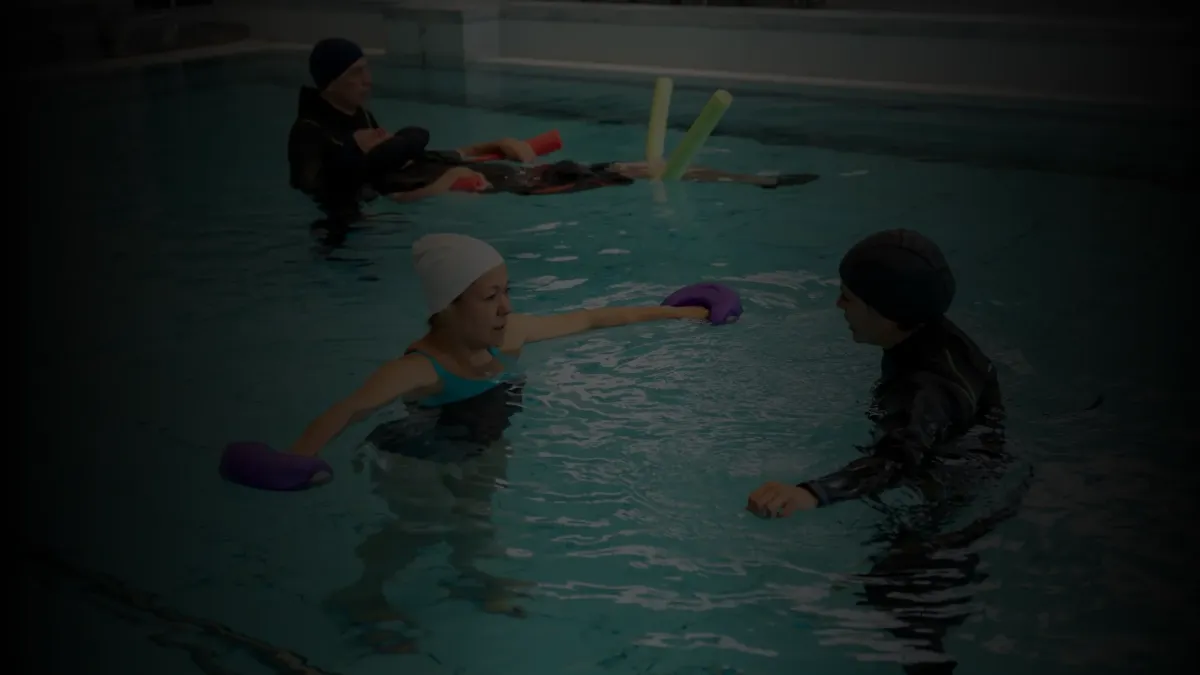
Immerse yourself in the healing embrace of Hydrotherapy at Bond Physiotherapy. Access to hot, cold and a 25m lap pool allows us to harness the therapeutic benefits of water to enhance mobility, relieve pain, and promote overall well-being. Dive into a customised Hydrotherapy experience, where the soothing power of water becomes a catalyst for your rehabilitation journey.
Expert Practitioners

Jedda Kennedy
Jedda Kennedy is a dedicated physiotherapist with a Masters in Physiotherapy and Exercise Science. Her expertise spans...

Shannon Gill
Shannon Gill, an enthusiastic physiotherapist, studied at Bond University, completing a Bachelors of Exercise & Sport Science...

Matt
Castro
Matt is a Physiotherapist with a background in Human Kinetics. Born and raised in Canada, Matt grew up playing competitive ice hockey and baseball......
Hydrotherapy - FAQ's
What is hydrotherapy and how can it help?
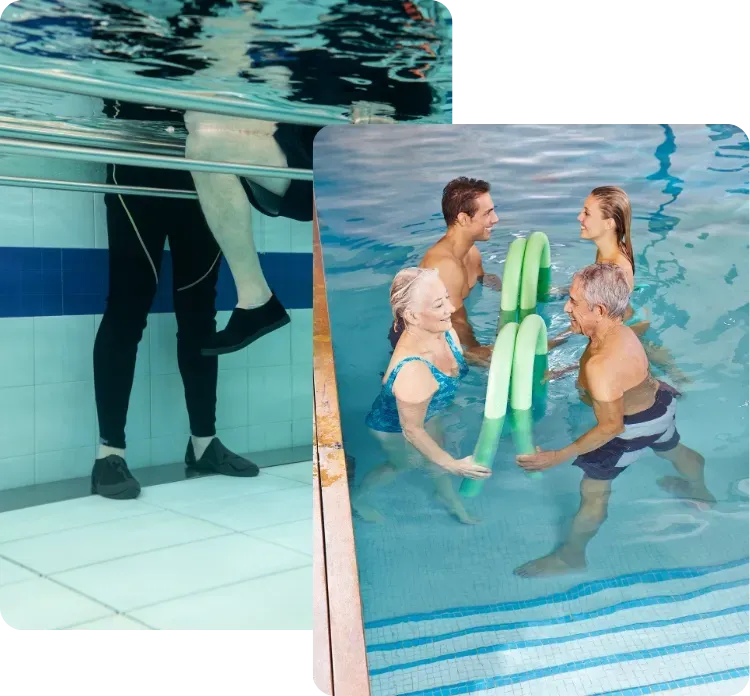
Hydrotherapy uses exercise in water as part of rehabilitation. The support and resistance provided by water can make certain movements more comfortable while helping you progressively work on mobility, strength and physical capacity.
Who can benefit from hydrotherapy?
Hydrotherapy may be useful for people recovering from injury or surgery, managing pain or stiffness, or rebuilding movement and strength. Your physiotherapist will assess whether water-based rehabilitation is appropriate for you
Where does Bond Physiotherapy provide hydrotherapy?
Bond Physiotherapy is located within the Bond Institute of Health and Sport and has access to hot, cold and a 25-metre lap pool for hydrotherapy and rehabilitation.
Patient Resources and Articles

Why Your Shoulder Keeps "Catching" And What You Can Actually Do About It
Why Your Shoulder Keeps “Catching”
And What You Can Actually Do About It
A – Attention
If you’ve ever reached overhead — maybe grabbing something from the top shelf or throwing a ball — and felt that sharp little pinch in the front or top of your shoulder… you’re not imagining it. And you’re definitely not the only one.
At Bond Physiotherapy & Sports Medicine in Robina, we see this exact scenario every single week: active people, gym-goers, surfers, tradies, parents lifting kids — all describing the same story.
“It doesn’t hurt all the time… just when I lift my arm like this.”
“It feels like something is getting caught.”
“I keep hoping it’ll go away on its own.”
Here’s the thing: shoulder impingement is incredibly common — but it’s also incredibly misunderstood.
Let’s break it down properly, in a way that actually makes sense.
E – Education
So… what is shoulder impingement, really?
Think of your shoulder as this beautifully complicated moving system. You’ve got the humerus (upper arm bone), the scapula (shoulder blade), and the AC joint all working together, with the rotator cuff acting as the quiet, underappreciated hero keeping everything centred.
When the shoulder is healthy, everything glides. Smooth. Controlled. No drama.
Impingement happens when the space at the top of the shoulder gets a little too crowded — usually because one part of the system isn’t doing its job as well as it should. Then, when you lift your arm, something soft (like a tendon or bursa) gets irritated.
It’s not that anything is “caught” — it’s that the shoulder isn’t moving efficiently.
Common symptoms
Pain when lifting the arm (especially above shoulder height)
A “pinching” or “catching” feeling
Weakness or fatigue during overhead movements
Pain at night, especially lying on the affected shoulder
Trouble with gym movements like pressing or shoulder work
Common causes
Here’s where it gets interesting: impingement isn’t just a shoulder issue. It’s often everything around the shoulder, too.
Rotator cuff weakness
Pec tightness / upper trap dominance
Scapula not rotating properly
Poor posture habits
Repetitive overhead activities
A big spike in training load
The shoulder is a team sport — when one player drops the ball, the others feel it.
I – Integration
“So what do I do? Rest it? Stretch it? Push through?”
Here’s the honest, real-world answer we give people in the clinic:
Rest alone won’t fix this. But neither will smashing yourself in the gym.
Most shoulders with impingement respond best to a balanced, progressive approach.
A typical Bond Physio plan looks something like this:
1. Calm things down (without stopping life)
We settle the irritation without shutting everything down.
Maybe you use lighter weights. Maybe we modify your shoulder press.
You’ll still move, just in a way the shoulder can handle.
2. Rebuild the rotator cuff — the unsung hero
We strengthen the small stabilisers so the shoulder stays centred and happy.
This might look like simple, precise movements… but the impact is huge.
3. Get the shoulder blade doing its part
Most people don’t realise how much shoulder comfort depends on the scapula gliding and rotating properly.
We clean this up so your arm can move through space without friction.
4. Return to the activities you love with confidence
Surfing, gym work, throwing, manual labour — whatever you’re missing right now, we rebuild you toward it intentionally, not accidentally.
And honestly?
That’s the part we love most: seeing someone go from “I’m scared to lift my arm” to “I barely even think about it anymore.”
M – Momentum
If your shoulder has been pinching for more than a couple of weeks — or if it keeps flaring up every time you get back into training — that’s usually the sign your shoulder just needs some guidance.
Shoulder impingement is very treatable.
We see it resolve all the time.
And the sooner you get it moving well again, the sooner you can stop thinking about it altogether.
If you’re ready to get back to lifting, swimming, surfing, or just sleeping on that side again without discomfort, we’re here to help.

Have a question?
Speak to one of our staff
Contact Details
Bond Institute of Health and Sport Robina, (Next to Cbus Super Stadium) Ground Level, 2 Promethean Way, Gold Coast, QLD, 4226
Follow Us



Copyright 2026 Gold Coast Knee Group